
AI for Beginners Explained in Simple Terms | TAS Vibe
AI for beginners explained in simple terms, helping you understand artificial intelligence without jargon, myths, or fear—for curious beginners worldwide.AI
BEST AI TOOLS FOR BUSINESS AUTOMATION ROADMAP 2026TECHNOLOGY
1/17/20265 min read
The AI “Aha!” Moment: Artificial Intelligence Explained Simply for Beginners (2026 Guide)
Introduction: Why AI Feels Like Magic (and Why It’s Not)
Artificial Intelligence has become one of those buzzwords that feels everywhere and nowhere at the same time. It writes emails, suggests movies, drives cars, detects fraud, creates art, and answers questions like a human. Yet for many beginners, AI still feels mysterious—almost magical.
Some people imagine shiny robots taking over jobs. Others think AI is a complicated math monster meant only for engineers in Silicon Valley labs. The truth sits comfortably in the middle.
This article is your “aha!” moment.
If you’ve ever asked:
What is AI really?
Is AI dangerous or helpful?
Do I need coding skills to understand it?
You’re in the right place. This guide explains AI for beginners in simple terms, breaks common myths, and shows why 2026 marks the era of Human-AI partnership, not robot domination.
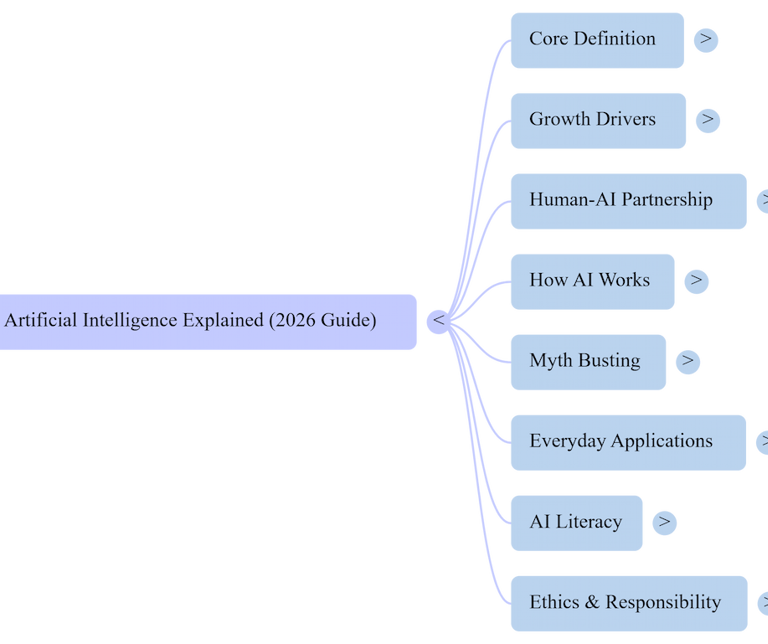
Mind Map
Audio Overview
The Magic vs. The Math – Why 2026 Is the Year of Human-AI Partnership
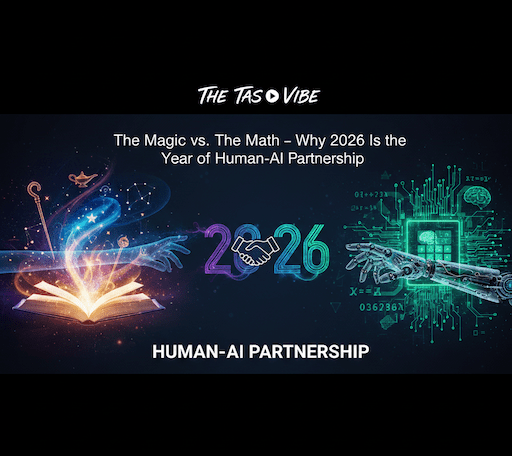
AI often looks like magic from the outside.
You type a sentence → AI completes it.
You upload a photo → AI recognizes faces.
You speak → AI responds intelligently.
But behind the curtain, there’s no magic—only patterns, data, and probabilities.
Why AI Is Exploding Now (Not Earlier)
AI isn’t new. The idea has existed since the 1950s. So why does it feel suddenly powerful in 2026?
Three reasons:
Massive Data – The internet, smartphones, and connected devices created oceans of data.
Cheap Computing Power – Machines can now process data faster and cheaper than ever.
Better Algorithms – Smarter ways to teach machines how to learn.
Together, these turned AI from theory into a daily tool.
From Replacement Fear to Partnership Reality
In earlier tech revolutions, machines replaced muscle.
This time, AI supports thinking.
AI doesn’t replace humans—it augments them.
Doctors use AI to detect diseases faster
Marketers use AI to understand customers better
Students use AI to learn complex topics more easily
Creators use AI to boost productivity, not creativity replacement
👉2026 is not about humans vs. AI. It’s about humans with AI.
Demystifying the “Brain” – How AI Mimics Human Learning (Without the Coffee)
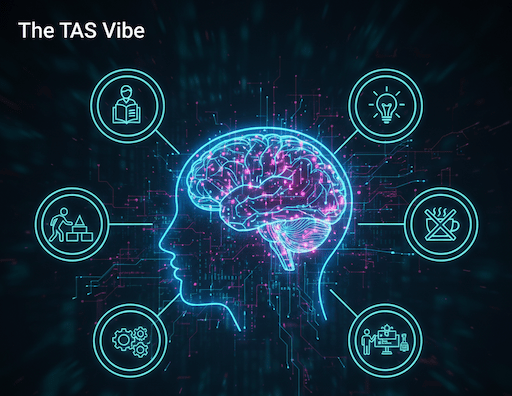
AI doesn’t “think” like humans.
It doesn’t feel tired, excited, or inspired.
But it learns patterns, just like we do.
Think of AI Like a Child Learning Patterns
A child learns what a dog is by seeing many dogs.
AI learns the same way—but faster and at scale.
Here’s how it works in simple terms:
Data goes in – Text, images, numbers, or videos
Patterns are identified – Repeated connections are found
Predictions are made – AI guesses the most likely answer
That’s it.
No emotions.
No intentions.
No consciousness.
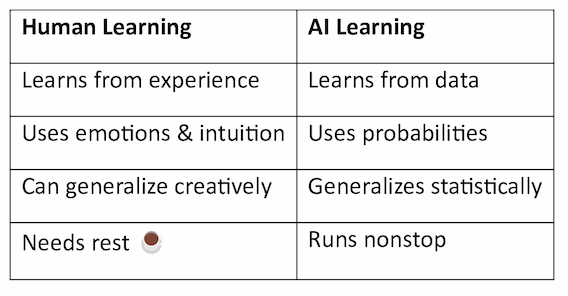
Machine Learning vs. Human Learning
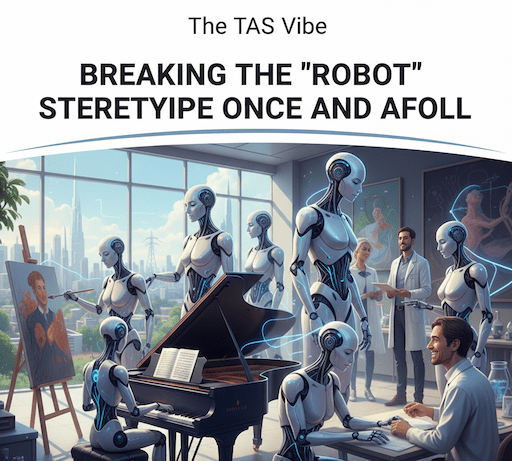
Breaking the “Robot” Stereotype Once and for All
Let’s address the elephant in the room.
Myth #1 – AI Is a Terminator in the Making
This is Hollywood fiction.
AI doesn’t:
Have goals
Have desires
Want power
AI only does what humans design and allow it to do.
Myth #2 – AI Understands Like Humans Do
AI understands patterns, not meaning.
When AI writes text:
It predicts the next word
Based on millions of examples
Not because it “knows” what it’s saying
It’s closer to a very advanced autocomplete than a conscious being.
Myth #3 – AI Will Replace Everyone’s Job
Reality check:
AI replaces tasks, not people.
Jobs evolve. New roles appear. Productivity increases.
Those who learn how to work with AI gain an advantage.
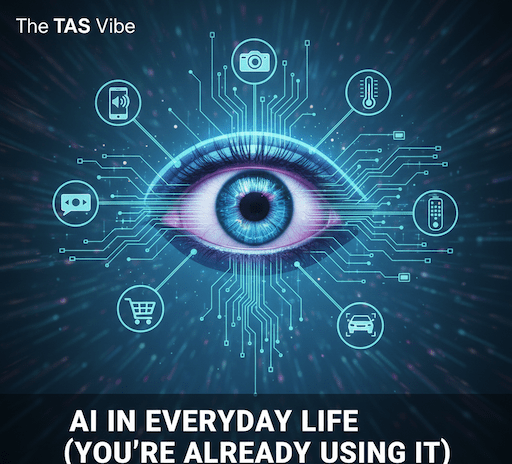
AI in Everyday Life (You’re Already Using It)
You don’t need to be a tech expert to use AI.
You already do—daily.
Common AI Examples You Know
Google Search rankings
Netflix & YouTube recommendations
Email spam filters
Voice assistants
Online shopping suggestions
Maps & traffic predictions
AI isn’t futuristic.
It’s invisible infrastructure.
Why Beginners Should Care About AI Now
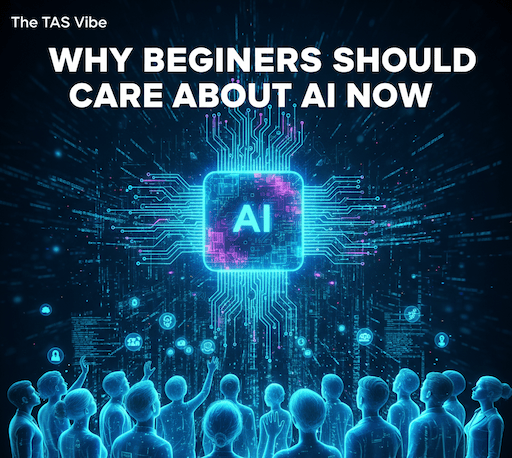
Ignoring AI today is like ignoring the internet in 2000.
AI Literacy Is the New Digital Literacy
Understanding AI helps you:
Make smarter career decisions
Avoid misinformation
Use tools ethically
Stay competitive
You don’t need coding skills.
You need conceptual clarity.
👉 That’s why AI for beginners explained in simple terms matters.
The Ethical Side – AI Is a Tool, Not a Judge
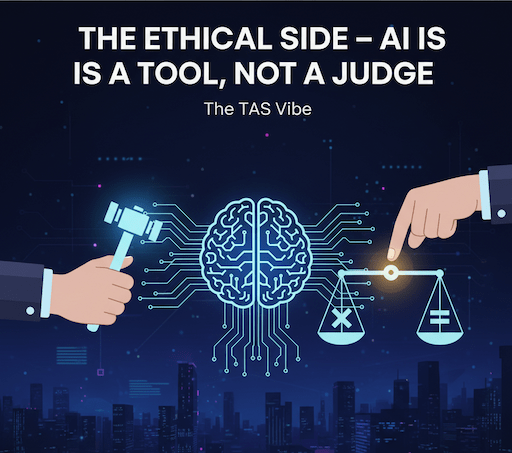
AI reflects the data it’s trained on.
If data is biased → AI results can be biased.
If data is flawed → AI predictions can be flawed.
That’s why human oversight is essential.
Humans Stay in Control
Responsible AI depends on:
Transparency
Fairness
Accountability
Human decision-making
AI doesn’t replace ethics.
It requires more of it.
The TAS Vibe Insight – Why Simplicity Wins
At The TAS Vibe, we believe technology should:
Empower, not intimidate
Simplify, not confuse
Serve humans, not replace them
This beginner-friendly approach helps readers move from fear → clarity → confidence.
👉 Internal Link (Day 2 Post):
To go deeper, read Day 2: How AI Learns from Data – A Beginner’s Guide to Training, Models, and Patterns, where we break down datasets and learning types step by step.
The Future Outlook – What AI Means for the Next 5 Years
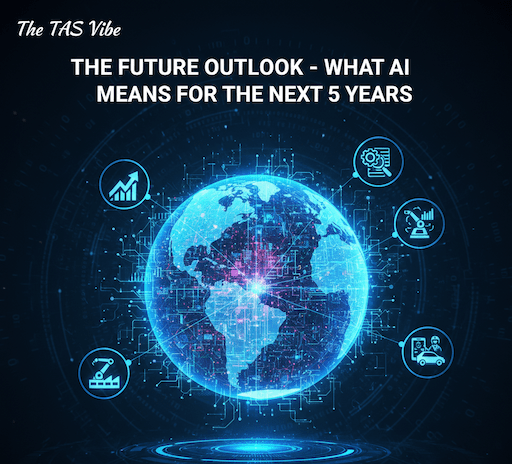
AI will:
Become more personalized
Become more integrated into daily tools
Require better regulation
Reward AI-literate individuals
Those who understand AI early gain long-term advantage.
Conclusion: Your “Aha!” Moment
AI is not magic.
AI is not a monster.
AI is not replacing humanity.
AI is a powerful assistant—built by humans, for humans.
Once you remove the fear and the jargon, AI becomes understandable, approachable, and even exciting.
That’s your aha moment.
Author Bio
Alex Thorne
Tech Simplifier at The TAS Vibe
Alex Thorne specializes in translating complex Silicon Valley innovations into everyday language. At The TAS Vibe, Alex bridges the gap between cutting-edge AI research and real-world understanding—so technology feels less intimidating and more empowering.
Disclaimer
This article is for educational and informational purposes only. It does not provide professional, legal, or financial advice. AI technologies evolve rapidly, and readers are encouraged to stay updated and use tools responsibly.
Frequently Asked Questions (FAQ)
Q1: What is AI in simple terms?
AI is technology that allows machines to learn from data and make predictions or decisions—similar to how humans learn from experience.
Q2: Do beginners need coding skills to understand AI?
No. Understanding AI concepts does not require programming knowledge. Conceptual clarity comes first.
Q3: Is AI dangerous for humanity?
AI itself is neutral. Its impact depends on how humans design, regulate, and use it.
Q4: Will AI replace jobs in the future?
AI replaces repetitive tasks, not human creativity or judgment. It also creates new roles and opportunities.
Q5: Why is 2026 important for AI adoption?
Because AI tools are becoming more accessible, affordable, and integrated into daily life—marking the rise of human-AI collaboration.
comments
Connect
Stay updated with us
Follow
Reach
+91 7044641537
Copyright: © 2026 The TAS Vibe. All rights reserved.