
AI Bias Prevention Techniques Everyone Should Use
Learn practical AI bias prevention techniques to reduce unfair outcomes, improve model fairness, and build ethical AI systems with simple, real-world steps.
AI ETHICS ISSUES 2026
1/26/20265 min read
How AI Systems Secretly Discriminate — And 7 Proven Ways to Prevent AI Bias (Beginner Guide 2026)
Not long ago, many of us believed a comforting myth: computers are neutral. If a machine makes the decision, it must be fair. After all, algorithms don’t have opinions.
Reality has humbled that belief.
Across hiring platforms, loan approvals, hospital triage tools, and even public surveillance, AI has shown a troubling pattern — it can reproduce human prejudice at scale, quietly and efficiently. The danger is not loud or dramatic. It is subtle, wrapped in graphs, scores, and dashboards that look objective.
AI does not create bias. It absorbs it from us.
That is why understanding AI bias is no longer just for programmers. Students, teachers, founders, writers, and policymakers from America to Australia now need a working knowledge of how unfair outcomes creep into intelligent systems — and what can be done to stop them.
This guide walks you through practical, beginner-friendly ways to make AI fairer using methods already encouraged by global standards in 2026.
Watch this quick video for an overview before reading.
🎧 Prefer listening? Play the audio version below.
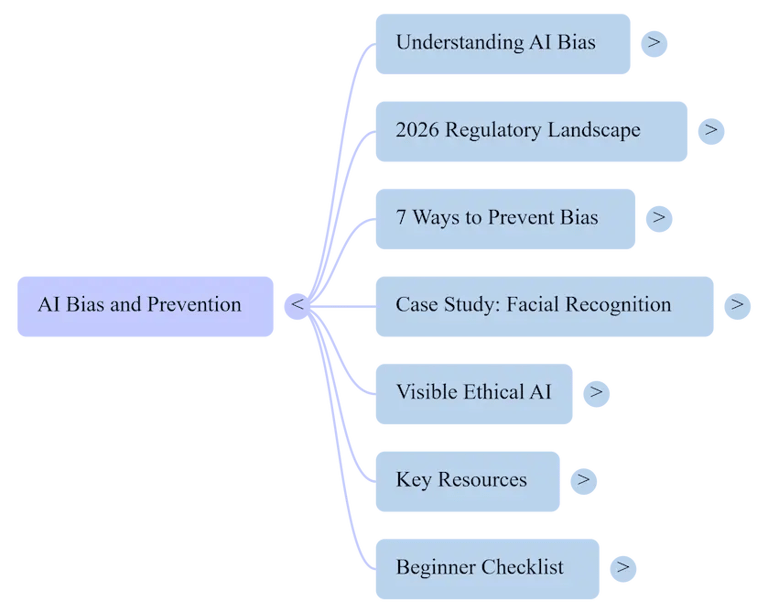
This mind map gives you a quick overview of the concepts covered below.
What AI Bias Really Means (Beyond Definitions)


In theory, AI bias is simple: an algorithm treats certain groups unfairly because of the data it learned from.
In practice, it is more revealing than that.
Bias in AI is usually a history problem. Machines learn from past records. If those records reflect inequality, exclusion, or discrimination, the system will quietly repeat those patterns.
A well-known case involved an AI recruitment tool that began penalising CVs containing the word “women’s”, such as “women’s debate society”. The model had been trained on a decade of hiring data dominated by male applicants. It learned the wrong lesson.
The algorithm was not sexist. The training history was.
Recognising this truth is the first step towards meaningful fairness.
Why 2026 Is a Turning Point
What has changed in recent years is accountability.
The EU AI Act, enforced in 2025, requires bias testing for high-risk AI systems.
The NIST AI Risk Management Framework in the United States gives organisations structured ways to evaluate fairness.
OECD and UNESCO AI ethics principles influence policy worldwide.
Companies increasingly rely on tools such as IBM AI Fairness 360 and Google’s What-If Tool to examine how their models behave.
Preventing unfairness is no longer a moral suggestion. It is a regulatory expectation.
7 Proven Ways Organisations Reduce AI Bias
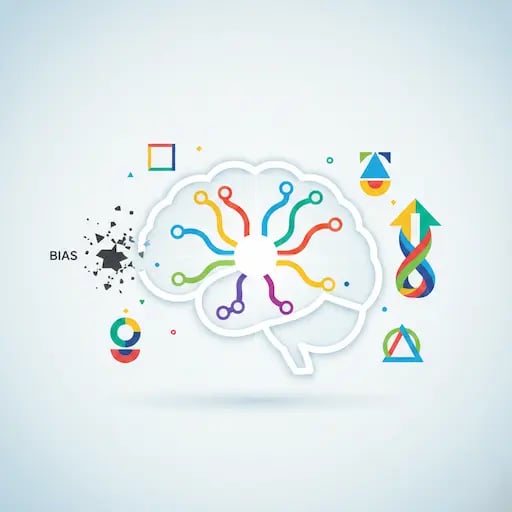
1. Begin With Representative Data
Fair outcomes start with inclusive datasets that reflect real diversity in age, gender, ethnicity, geography, and background.
2. Question Historical Records
Old data may contain patterns shaped by past discrimination. Teams now audit datasets before training models.
3. Use Fairness Measurement Tools
Toolkits such as IBM’s allow teams to detect discrimination mathematically rather than guessing.
4. Run Bias Audits Before Launch
Recommended by NIST, these audits test how systems behave across demographic groups.
5. Apply Explainable AI
If a decision cannot be explained, hidden bias cannot be found.
6. Keep Humans Involved
In sensitive areas like hiring, lending, healthcare, and law enforcement, human judgement reviews AI output.
7. Monitor Systems Over Time
Data changes. Models drift. Fairness must be checked continuously, not just at deployment.
These steps are now common practice in responsible organisations.
The Facial Recognition Lesson the World Couldn’t Ignore


A study from MIT Media Lab revealed stark differences in facial recognition accuracy:
0.8% error rate for light-skinned men
34.7% error rate for dark-skinned women
Innocent people were wrongly identified in real surveillance systems.
The issue was not malicious coding. It was non-diverse training data.
The response reshaped industry practice: rebuild datasets, introduce fairness benchmarks, and test systems before public use.
This single study still influences AI policy discussions today.
Ethical AI You Can Actually See in 2026
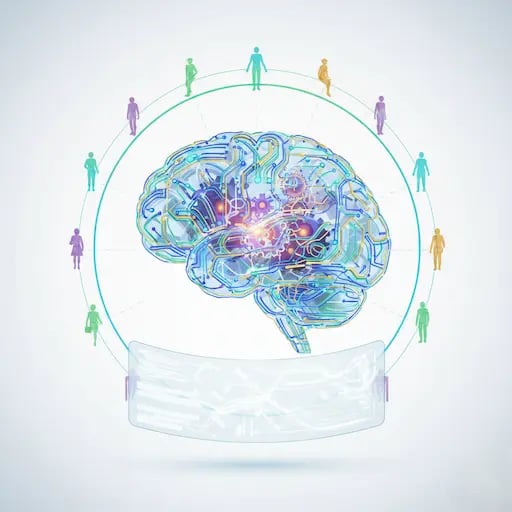
Fairness is becoming visible:
Medical AI tools trained on varied skin tones improve diagnosis accuracy
Banking systems provide clear explanations for loan decisions
Hiring platforms reveal how candidates are scored
Learning apps adapt to students without stereotyping them
Trust grows when people can see how decisions are made.
A Simple Checklist for Beginners


If you are new to this space, remember:
Look at who is represented in the data
Test systems across different groups
Use fairness toolkits
Involve human reviewers
Document how decisions are made
Re-evaluate regularly
These habits alone can prevent many problems.
Why This Topic Matters to Me


While writing about AI ethics, I have noticed that most people worry about AI replacing jobs. Very few worry about AI making unfair decisions silently.
Bias rarely creates headlines. It creates long-term, invisible harm — denied opportunities, incorrect flags, unfair treatment that people cannot easily challenge because “the system said so”.
That quiet harm is what makes this topic important.
The Link Between Bias and Privacy
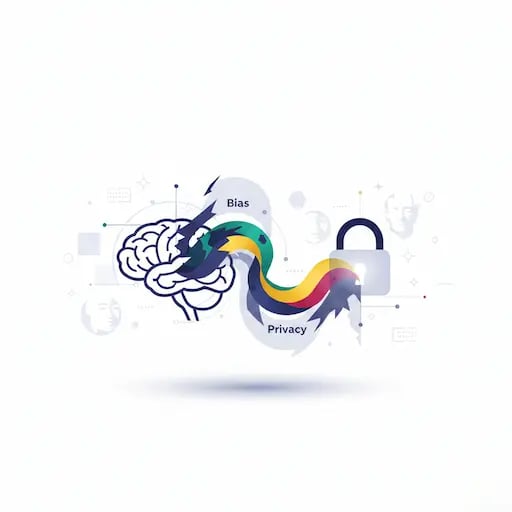
Biased systems often rely on large amounts of personal data. When privacy is weak, bias risks grow stronger. If this concerns you, read our related piece:
AI Privacy Concerns 2026: Is Your Data Really Safe?
Conclusion
AI will only be as fair as the people, data, and safeguards behind it. Preventing bias is not a one-time fix. It is an ongoing responsibility shared by developers, organisations, and society.
As machines become more capable, human responsibility must become more thoughtful.
Disclaimer
This article is intended for educational awareness about ethical AI and bias prevention.
Follow & Subscribe to The TAS Vibe
For clear, responsible insights into AI, ethics, and privacy, follow The TAS Vibe and stay informed in the AI-driven era.
Author Bio – Agni
Agni is a technology writer committed to making complex AI topics understandable for everyday readers.
He focuses on ethical AI, privacy, and digital responsibility.
Agni believes technology should empower people without discrimination.
He writes with clarity and practical relevance.
His work reaches students, professionals, and curious readers worldwide.
He closely tracks global AI laws and standards.
Agni enjoys translating technical ideas into usable guidance.
He advocates for responsible awareness around intelligent systems.
He contributes to conversations on fairness in technology.
Through his writing, Agni aims to build a more informed digital society.
Frequently asked questions
Can AI ever be perfectly unbiased?
No system is perfect, but bias can be greatly reduced.
Who should worry about this?
Anyone affected by automated decisions — which increasingly means everyone.
Are there real tools for this?
Yes. IBM AI Fairness 360, Google What-If Tool, and similar resources.
Why is this important for beginners?
Because awareness is the first defence against invisible unfairness.
Comments
Connect
Stay updated with us
Follow
Reach
+91 7044641537
Copyright: © 2026 The TAS Vibe. All rights reserved.