
AI Surveillance in 2026: How It Impacts Privacy and Freedom
Discover how AI surveillance is reshaping privacy in 2026, exploring risks, ethics, laws, and real examples that affect citizens across the world today now.
AI ETHICS ISSUES 2026
The TAS Vibe
1/28/20264 min read
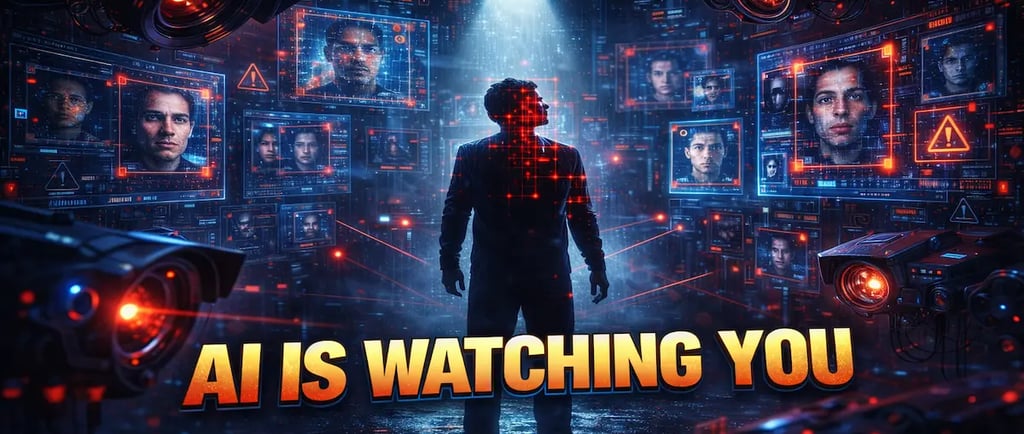
AI Surveillance Ethics: Are We Being Watched by Machines?
Cameras that recognise faces, software that reads emotions, and systems that track behaviour in public spaces are no longer science fiction. They are part of everyday life across America, Europe, Russia, Asia and Australia. This rapid rise of AI surveillance has triggered serious questions about AI ethics, personal freedom, and AI privacy issues.
Many people now ask, what is AI surveillance and is AI surveillance ethical? As surveillance AI becomes more advanced, the line between safety and intrusion is becoming increasingly blurred.
Watch this quick video for an overview before reading.
🎧 Prefer listening? Play the audio version below.
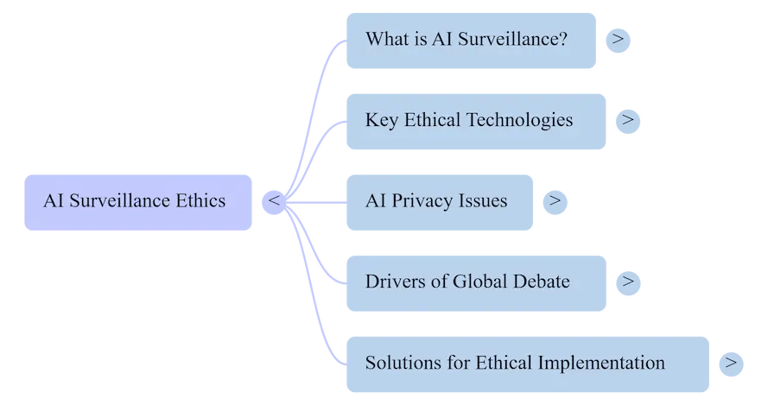
This mind map gives you a quick overview of the concepts covered below.
What Is AI Surveillance?
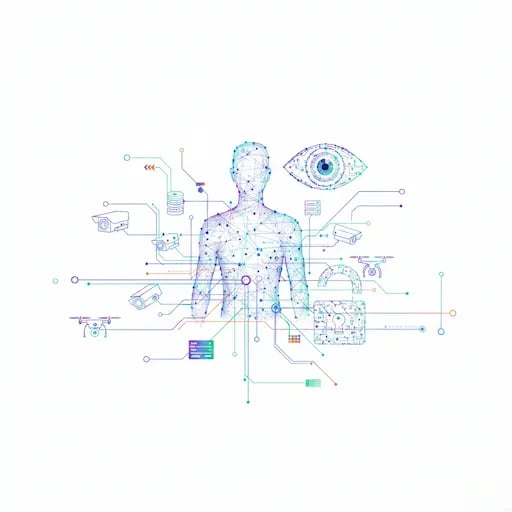
AI surveillance refers to the use of artificial intelligence to monitor, analyse, and interpret human activity through cameras, sensors, biometric tools, and data tracking systems. Unlike traditional CCTV, AI systems do more than record — they identify, predict, and classify.
This is why the ethics of AI surveillance is now a global debate. These systems can recognise faces, detect emotions, track movement patterns, and even predict suspicious behaviour.
While governments argue this improves security, citizens worry about constant monitoring and loss of privacy.
AI Facial Recognition Ethics 2026
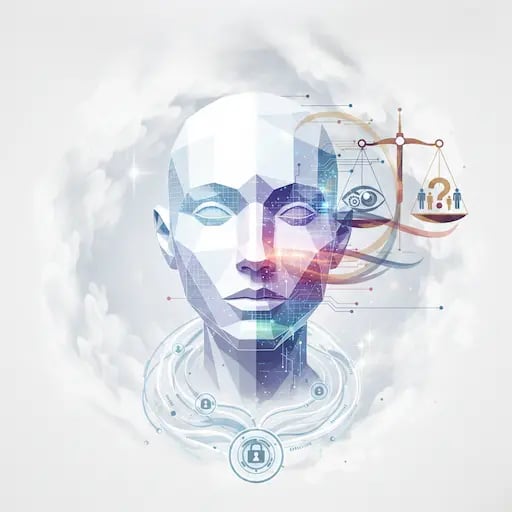
Facial recognition is one of the most controversial forms of AI surveillance. Airports, public streets, shopping centres, and borders increasingly use it.
Ethical concern: People are identified without consent.
A real case occurred when facial recognition software in a Western country wrongly matched an innocent man to a criminal database due to poor training data. He was detained publicly before the error was discovered.
Problem: Biased data and lack of accuracy
Solution: Stricter regulation, human verification, and improved datasets
In 2026, debates around AI facial recognition ethics focus on transparency, consent, and accuracy. This ties directly to broader AI privacy issues and civil rights.
AI Emotion Recognition Ethics
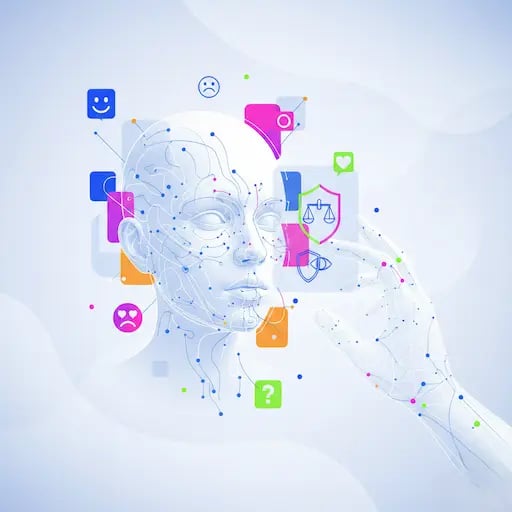
Some organisations now use AI to detect emotions from facial expressions, voice tones, and body language. Schools, offices, and law enforcement agencies have tested such tools.
But can a machine truly understand human emotion?
Experts argue that emotion recognition often relies on cultural assumptions and flawed psychology. Misinterpretation can lead to unfair judgement.
This is where AI ethics and ethics of AI surveillance become critical. Labelling someone as “angry”, “nervous”, or “suspicious” based on an algorithm can have serious consequences.
AI in Law Enforcement Ethics 2026
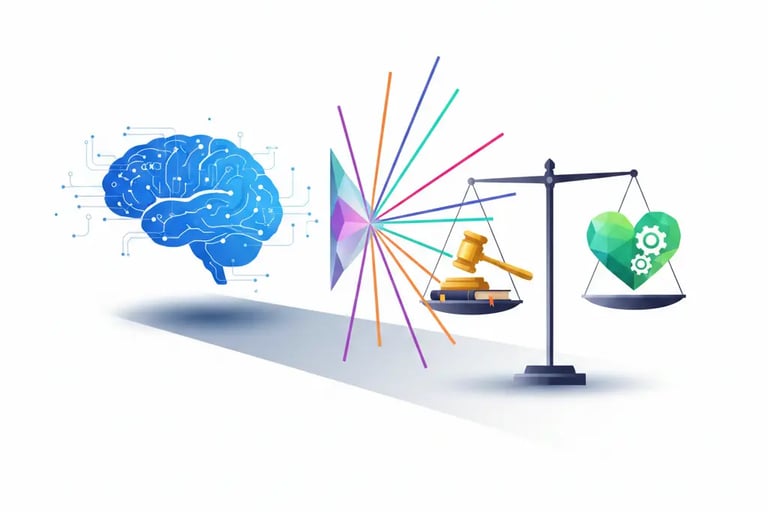
Police departments in several countries have adopted surveillance AI for predictive policing and suspect identification.
While this helps track crime patterns, it has also exposed bias. In some cities, AI systems disproportionately flagged neighbourhoods with minority populations as “high risk” because historical crime data was biased.
Problem: Historical bias reflected in AI predictions
Solution: Adoption of ethical AI frameworks, audits, and transparent oversight
This case links strongly with discussions in our previous articles:
And in our upcoming article:
AI in Policing 2026: Helpful or Dangerous?
Why This Topic Has Exploded Worldwide

Interest in AI surveillance, AI ethics, and AI privacy issues is rising because:
Public concern over erosion of privacy rights
Expansion of AI monitoring by governments and corporations
Legal pressure for ethical AI governance
News reports exposing misuse of surveillance technologies
People want to understand how much they are being watched — and whether it is justified.
The Balance Between Safety and Freedom


Supporters argue AI surveillance prevents crime and improves public safety. Critics argue it normalises constant monitoring.
The key lies in ethical implementation:
Clear laws and transparency
Public consent and awareness
Limitations on data storage and usage
Independent audits of surveillance AI systems
Without these, surveillance can quietly turn into control.
Frequently asked questions
Q1: What is AI surveillance?
AI surveillance uses artificial intelligence to monitor and analyse human behaviour through cameras and data systems.
Q2: Is AI surveillance ethical?
It depends on how it is implemented, regulated, and monitored.
Q3: What are the biggest AI privacy issues?
Lack of consent, misuse of biometric data, and constant tracking.
Q4: Why is facial recognition controversial?
Because it can misidentify people and operate without permission.
Disclaimer
This article is for educational awareness. AI laws and ethical standards vary across countries and continue to evolve.
Follow & Subscribe to The TAS Vibe
Stay informed about AI, ethics, and digital responsibility. Follow The TAS Vibe for more reader-friendly insights into emerging technologies.
Author Bio – Agni
Agni is a technology writer focused on simplifying complex AI topics for global readers. He writes extensively about AI ethics, privacy, and transparency. Through The TAS Vibe, he educates audiences about the hidden impact of intelligent systems. His work connects real-world incidents with practical understanding. Agni believes awareness is the foundation of responsible technology use. His articles are known for clarity, depth, and accessibility. He advocates for ethical AI that respects human rights. Agni continues to explore how technology can serve society without compromising freedom.
Subscribe to our Blogging Channel
Connect
Stay updated with us
Follow
Reach
+91 7044641537
Copyright: © 2026 The TAS Vibe. All rights reserved.